As global data demand continues to surge, fiber optic cables have become the backbone of modern communication networks. They enable ultra-fast data transmission, low latency, and high reliability, making them essential for telecommunications, data centers, and broadband infrastructure.
Understanding the different types of fiber optic cables is crucial for selecting the right solution for specific applications. Each type varies in design, performance, and use case, and choosing correctly can significantly impact network efficiency and cost.
Fiber optic cables are transmission media that use light signals instead of electrical signals to carry data. They consist of thin strands of glass or plastic fibers that transmit information through total internal reflection, allowing signals to travel long distances with minimal loss.
Compared to traditional copper cables, fiber optics offer:
Higher bandwidth
Faster data speeds
Lower signal attenuation
Immunity to electromagnetic interference
Fiber optic cables are primarily categorized into two main types: single-mode fiber (SMF) and multimode fiber (MMF).
Single-mode fiber has a small core diameter (typically around 8–10 microns), allowing only one mode of light to pass through.
Key characteristics:
Extremely high bandwidth
Long-distance transmission (up to tens or even hundreds of kilometers)
Minimal signal loss and dispersion
Common applications:
Telecommunications networks
Long-haul data transmission
Internet backbone infrastructure
Because of its superior performance over long distances, single-mode fiber is widely used in carrier networks and large-scale infrastructure projects.
Multimode fiber has a larger core (typically 50 or 62.5 microns), allowing multiple light modes to travel simultaneously.
Key characteristics:
Lower cost compared to single-mode
Easier installation and alignment
Shorter transmission distances (typically up to 300–400 meters)
Common applications:
Local area networks (LANs)
Data centers
Enterprise systems
Multimode fiber is ideal for short-distance, high-speed communication within buildings or campuses.
In addition to signal mode, fiber optic cables can also be classified based on their physical construction and installation environment.
Designed for use inside buildings, these cables are lightweight and flexible. They often include tight-buffered fibers for easier handling and termination. The indoor fiber optic cable is applied in office networks, data centers, and building backbone systems.
Outdoor cables are built to withstand harsh environmental conditions, including moisture, temperature changes, and UV exposure.
They typically include:
Water-blocking materials
UV-resistant jackets
Armored protection (in some cases)
Applications:
Underground installations
Aerial deployments
Long-distance communication networks
Armored cables include an additional protective metal layer to prevent physical damage from rodents, crushing, or harsh environments.
Applications:
Industrial environments
Direct burial installations
High-risk areas
Fiber optic cables can also be categorized by their internal structure:
Loose tube fiber optic cable: Fibers are housed in tubes filled with gel or water-blocking material, ideal for outdoor use
Tight buffered fiber optic cable: Fibers are coated directly for flexibility, commonly used indoors
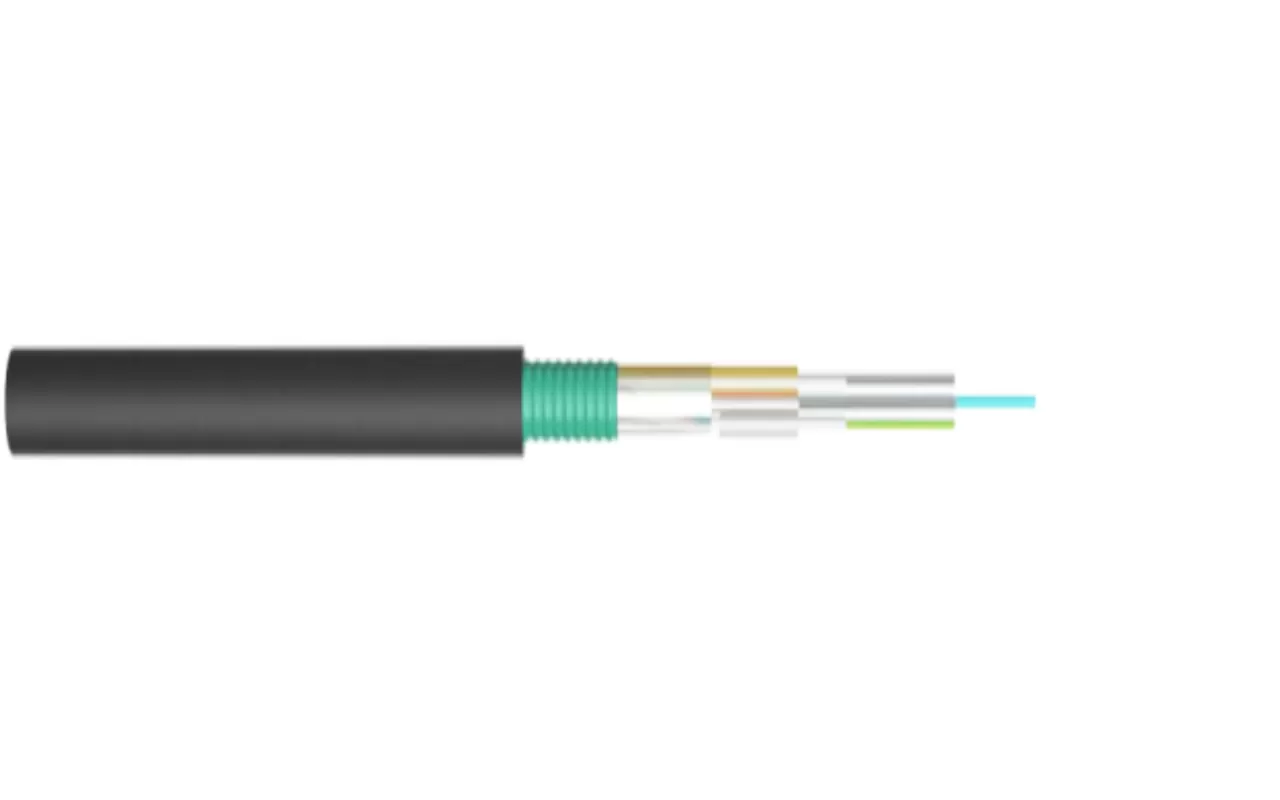
Beyond standard categories, there are specialized fiber optic cables designed for specific applications:
These cables bundle multiple fibers in a flat ribbon structure, enabling high-density installations and easier mass fusion splicing.
Breakout cables contain multiple individually jacketed fibers, allowing each fiber to function independently without additional hardware.
These cables support multiple fibers within a single jacket, offering a balance between density and flexibility.
Selecting the right type of fiber optic cables depends on several factors:
Long distance: Single-mode fiber
Short distance: Multimode fiber
High-speed applications such as data centers may require advanced multimode or single-mode solutions.
Indoor: Tight buffered cables
Outdoor: Loose tube or armored cables
Multimode systems are generally more cost-effective, while single-mode offers better long-term scalability.
Choosing a trusted manufacturer is essential to ensure performance and durability. Companies like Xingfa offer a comprehensive range of fiber optic cable solutions tailored for modern communication needs.
Xingfa’s optical cable portfolio typically includes:
Single-mode and multimode fiber cables
Indoor and outdoor cable designs
Armored and high-strength solutions
These products are engineered to support applications such as telecommunications networks, data centers, and broadband infrastructure, ensuring reliable and high-speed data transmission.
Regardless of type, fiber optic cables provide several universal advantages:
High speed and bandwidth: Ideal for modern data-intensive applications
Low signal loss: Suitable for long-distance transmission
Immunity to EMI: Not affected by electromagnetic interference
Enhanced security: Difficult to tap without detection
Understanding the different types of fiber optic cables is essential for building efficient and scalable communication systems. From single-mode fibers for long-distance transmission to multimode fibers for short-range applications, each type serves a specific purpose. Additionally, variations in construction, such as indoor, outdoor, armored, and specialty cables, allow fiber optics to be deployed in a wide range of environments.
With reliable manufacturers providing high-quality optical cable solutions, businesses can confidently invest in fiber infrastructure that delivers speed, reliability, and long-term performance.
As digital transformation continues to accelerate, fiber optic technology will remain at the forefront of global connectivity, supporting everything from cloud computing to next-generation communication networks.