In an era of high-definition streaming, competitive gaming, and massive cloud data transfers, internet speed is the lifeblood of productivity. While Wi-Fi technology has made leaps in convenience, the question remains: Can it truly replace a physical connection? At Xingfa, we believe that understanding the mechanics of connectivity is key to building a high-performance network. Let’s explore why the classic LAN cable remains the undefeated champion of speed and reliability.
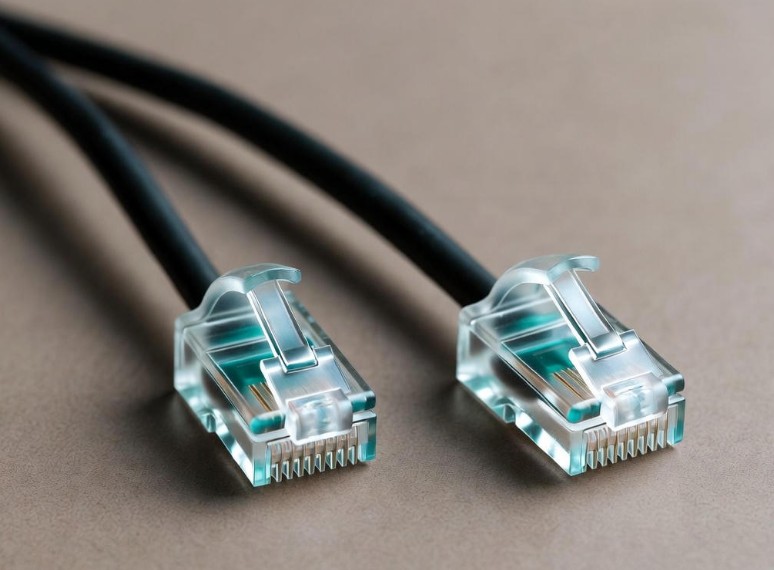
When we talk about "speed," we are often referring to bandwidth and throughput. A high-quality Xingfa LAN cable, such as a Cat6 or Cat6A, provides a dedicated lane for your data. Unlike Wi-Fi, which shares its bandwidth with every connected device in the vicinity, a LAN cable ensures that the full capacity of your network port is delivered directly to your device. While Wi-Fi 6 claims high theoretical speeds, real-world performance often drops due to distance and overhead—limitations that a physical cable simply does not have.
For gamers and financial traders, milliseconds matter. This is where the Xingfa LAN cable shines by eliminating the inherent flaws of wireless transmission:
Zero Interference: Wireless signals are easily disrupted by microwave ovens, Bluetooth devices, and even your neighbor's router. A shielded LAN cable is immune to these disturbances.
Minimal Packet Loss: Data packets traveling through a copper wire are far less likely to be "lost" or need re-transmission compared to those flying through the air.
Lower Latency (Ping): A direct physical link bypasses the complex encryption and decryption processes required for secure Wi-Fi, resulting in a much lower and more stable ping.
The biggest enemy of Wi-Fi is the very building you are in. Walls, floors, and metal structures absorb and reflect wireless signals, leading to "dead zones." By deploying a Xingfa LAN cable network, you bypass these physical barriers. Whether you are in a basement office or a third-floor studio, a wired connection delivers the same consistent gigabit speeds regardless of how many brick walls stand between you and the router.
While wireless standards change every few years—requiring expensive new hardware—a solid Ethernet backbone remains the most stable and cost-effective way to support the increasing data demands of smart cities and AI-driven industries.